


17 days
Sports and outdoor experiences
Trip to Scotland and the Orkney Islands: 17 days in the heart of wild Scotland
From
2 500€
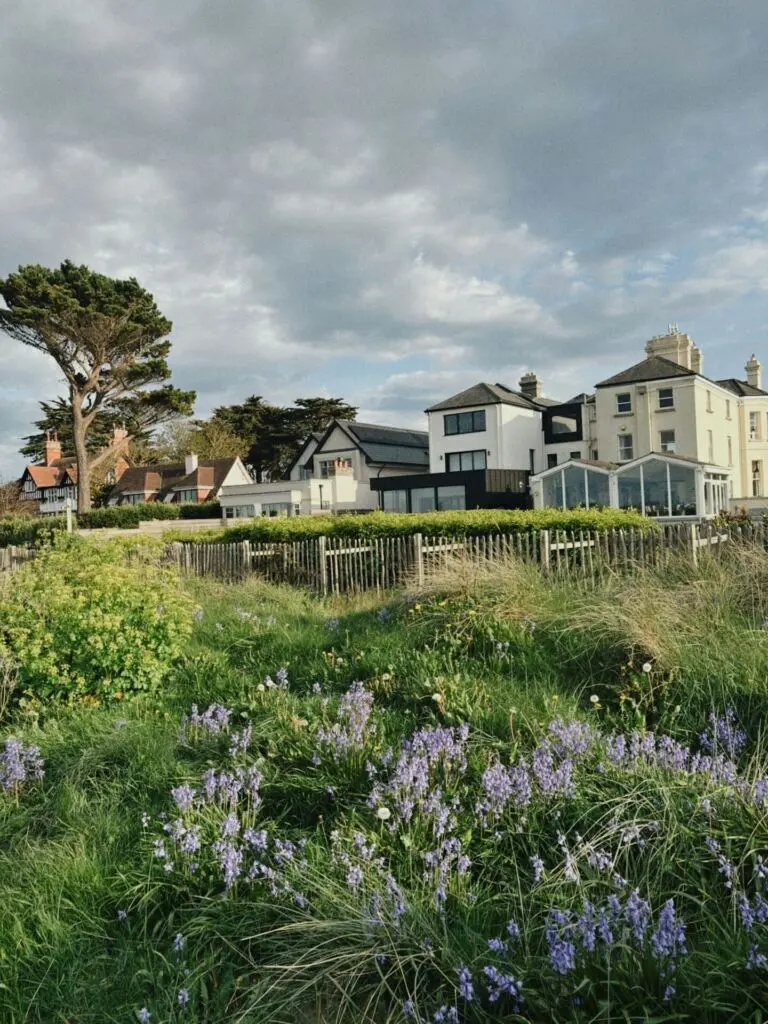
Departing Ireland in the spring, It's about seeing the Emerald Isle in its most beautiful colors: the meadows turn green again, the hedgerows are covered in flowers, and St. Patrick's Day brings the whole country into a festive mood. From March to May, you can enjoy stunning landscapes, longer days, and still-tranquil spots.
In short: Spring is a great time to visit Ireland. Temperatures are generally between 8 and 15°C, and April and May are often among the driest months. March is marked by St. Patrick's Day on the 17th, while May offers the best balance of weather, sunlight, and crowds.
Our seasonal guides: Ireland in summer, Ireland in autumn and Ireland in winter.
Irish weather changes quickly, but spring is often drier than you might expect. To compare all the seasons, read our guide when to go to Ireland.
It's still cool (6 to 10°C) and showers are frequent. But the St. Patrick's Day atmosphere more than makes up for it: Dublin hosts a huge, multi-day festival. Discover our guide to the Saint Patrick's Day 2027 to book in time.
Temperatures reach 8 to 13°C and the countryside bursts with greenery. Most attractions switch to their summer hours, and the Easter holidays bring the towns to life. It's a good month to visit Connemara and the Burren, which are carpeted with rare flowers.
May is often sunny, with temperatures between 10 and 16°C. It's the perfect time to visit the Wild Atlantic Way, the Aran Islands, or the Dingle Peninsula, before the peak season. Gardens, like those at Powerscourt, are at their most beautiful.
For more ideas, check out our itinerary Ireland in 10 days.
Pack a waterproof and windproof jacket, a fleece, layers, and waterproof shoes. A compact umbrella is handy in the city, but the wind often renders it useless on the coast. Don't forget a green item of clothing if you're going for St. Patrick's Day.
May is often the best choice: it's bright, fairly dry, and still relatively uncrowded. March is ideal if you want to experience St. Patrick's Day, despite the cooler weather.
It rains less than in autumn and winter. April and May are often among the driest months, with short showers between sunny spells.
Yes. Dublin is very popular around March 17th: book flights and accommodation several months in advance to keep prices reasonable.
At Brightside Travel, we plan your trip from start to finish: accommodations, car rental, sightseeing, and insider tips, with an itinerary tailored to your pace. Discover our Tailor-made trips to Ireland, And for more inspiration, visit the official website. Ireland.com.
In summary
Our local team creates your tailor-made itinerary in the UK and Ireland.
Written by our local experts
This guide is written and updated by the team at Brightside Travel, a bespoke travel agency based in Edinburgh since 2012 and Travelife certified for responsible tourism. Our experts live in the UK and design trips to Scotland, England, Wales, and Ireland every day. Meet our team.
Read also
Written by Anthony Cote, from the Brightside Travel team, a bespoke travel agency based in Edinburgh since 2012.
Updated on · Discover our experts
Your preferences are saved in this browser.