



17 days
Sports and outdoor experiences
Trip to Scotland and the Orkney Islands: 17 days in the heart of wild Scotland
From
2 500€
2 500€
You bear a name in Mac, A grandmother told you about the Highlands, or an ancestor left Scotland for Canada two centuries ago? Rediscovering one's Scottish roots It's one of the most beautiful journeys imaginable: you follow in your family's footsteps, discover your clan's land, and sometimes even raise a glass in the pub of your ancestral village. Based in the UK since 2012, we organize these tailor-made "roots" trips. Here's how to prepare your research and where to go once you're there.
In short: To trace your Scottish roots, start by asking your family, then consult the online records of ScotlandsPeople (births, marriages, deaths, censuses, and parish registers). A DNA test can confirm your region of origin. While there, visit the archives in Edinburgh or Inverness, your clan center, and your ancestral village. Allow 7 to 10 days for a complete roots journey.
For centuries, hundreds of thousands of Scots have left their homeland. The Highland Clearances of the 18th and 19th centuries drove many families from the Highlands to cities, Canada, the United States, or Australia. Others, however, left to find work or serve in the military. Today, millions of people worldwide claim Scottish ancestry, far more than the population of Scotland itself.
This is why heritage tourism is so developed in Scotland. The archives are very complete, the clan societies are active, and many villages preserve the memory of families who have left.
A successful roots trip starts at home. Indeed, the more information you arrive with, the richer your visit will be.
First, note down names, dates, and known places: birth certificates, family records, letters, photos, family Bibles. Often, a simple parish or county name is enough to start the search.
The official website ScotlandsPeople brings together the major Scottish genealogical sources:
Searching the indexes is free. Viewing images of documents then requires payment using credits.
Next, a consumer DNA test can estimate your geographic origins and help you find distant cousins. Furthermore, many clans have DNA projects based on surnames, which help connect branches of the same lineage. This is a good complement to archives, but not a replacement.
In the heart of Edinburgh, the ScotlandsPeople Centre, housed in the historic General Register House, allows you to consult digitized original registers with the help of specialists. It's the ideal place to unlock a research opportunity. Take the opportunity to explore the city with our guide. What to do in Edinburgh.
Furthermore, if your family comes from the Highlands, the Highland Archive Centre in Inverness holds local registers, estate records, and documents relating to the Highland Clearances. Each region also has its own archives and family history societies, which are often very welcoming.
In addition, many clans have a museum, castle, or society that welcomes descendants. For example, the Clan Donald Centre in Armadale, on the Isle of Skye, or Eilean Donan Castle, linked to the MacRae clan. To better understand this system, read our guide on the...’history of Scottish clans.
For many, reconnecting with their Scottish roots culminates here: it's often the most moving moment of the trip. You walk down the street where your ancestors lived, visit the church where they were married, and find their name on a tombstone. Then, why not have a drink in the village pub, where locals sometimes still know the stories of the families who left?
In the north, the Emigrants Memorial in Helmsdale pays tribute to the families displaced during the Clearances. It is located on the North Coast 500, which can be combined with a roots trip.
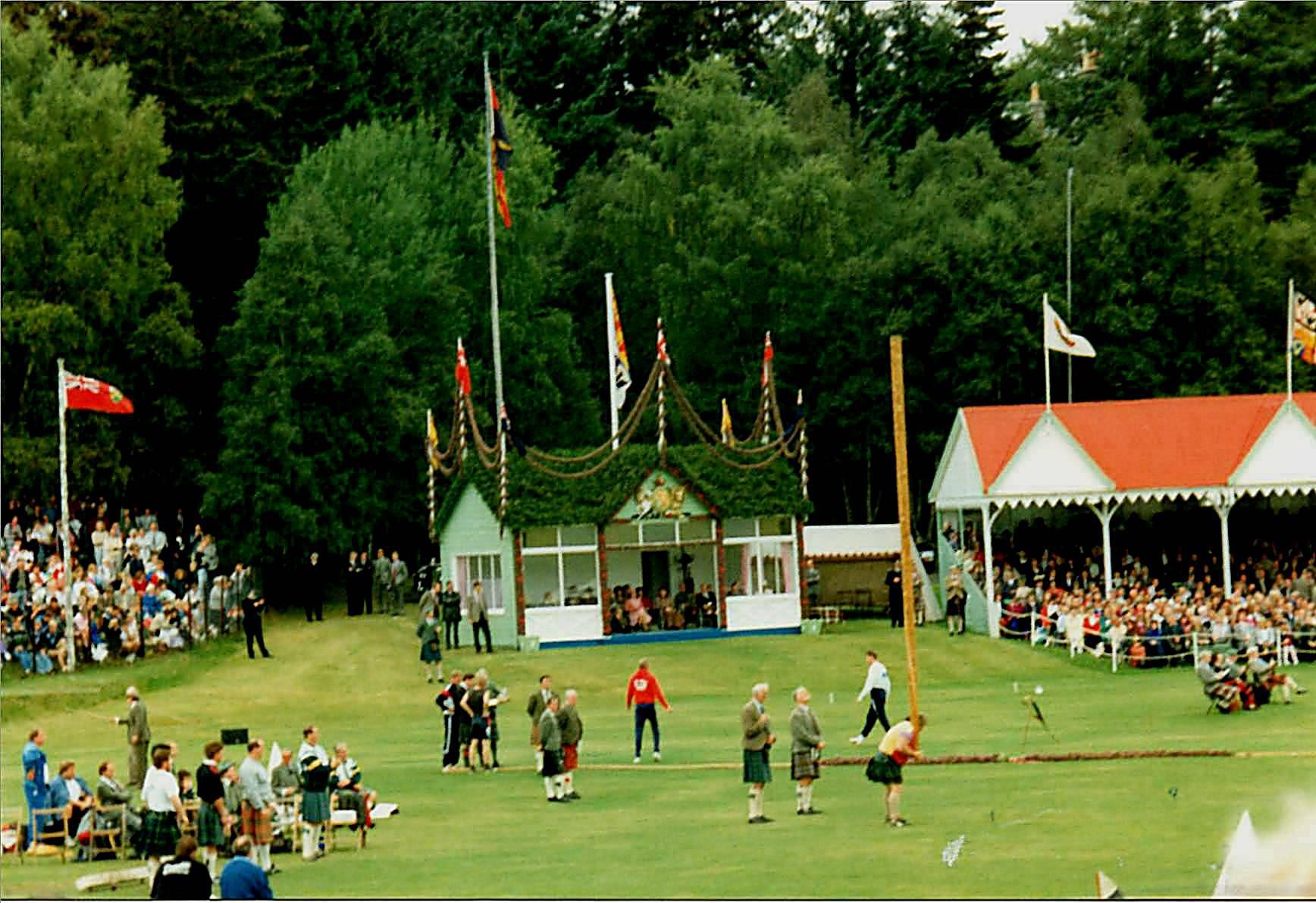
Rediscovering one's roots also means reconnecting with a culture. For example, attending Highland Games, where the clans gather every summer. Have a tartan woven in your colors, or look up your family's tartan in the official register. Finally, sample the whisky from your ancestors' region.
Of course, each itinerary is built around your family history. Send us what you know about your ancestors: our local team will prepare a trip around the places where they lived.
Perhaps your ancestors also came from Ireland? Discover our guide to rediscovering his Irish roots.
Does your name sound Scottish, Irish, or Welsh? Find out the origin of your surname and how to depart for the land of your name.
Generally, names beginning with Mac or Mc, like MacDonald or McLeod, are typical of the Highlands. But many other names, such as Stewart, Campbell, Murray, or Robertson, are also Scottish. A search of the ScotlandsPeople records will show where this name was most common.
No. Clan centers welcome all visitors. However, descendants are often invited to join the clan society and participate in its gatherings.
Please note that the archives and records are in English, and sometimes in Latin for the oldest ones. Our French-speaking team can assist you and arrange for a genealogist to be present on site.
Expect to pay from €2,000 per person for 8 to 10 days, including accommodation, car rental, and support, but excluding flights. However, the price will depend primarily on your ancestral region and the planned visits.
In summary
Our local team creates your tailor-made itinerary in the UK and Ireland.
Written by our local experts
This guide is written and updated by the team at Brightside Travel, a bespoke travel agency based in Edinburgh since 2012 and Travelife certified for responsible tourism. Our experts live in the UK and design trips to Scotland, England, Wales, and Ireland every day. Meet our team.
Read also
Written by Anthony Cote, from the Brightside Travel team, a bespoke travel agency based in Edinburgh since 2012.
Updated on · Discover our experts
Your preferences are saved in this browser.